Orthodontic · Care
Clear aligner
therapy.
A custom sequence of clear, removable trays that gradually move your teeth — for people who want a straighter smile without a mouth full of metal.
01 · Which smile feels familiar
Crowding.
Gaps. Relapse.
Most people who ask about aligners recognise themselves in one of a few starting points: teeth that have crowded together over time, small gaps that have opened up, a bite that doesn't quite meet the way it used to, or a smile that's shifted back since old braces came off.
None of these need a diagnosis to start the conversation — just a look, and an honest answer about whether aligners are the right tool for it.
02 · A plan you can understand
From scan
to sequence.
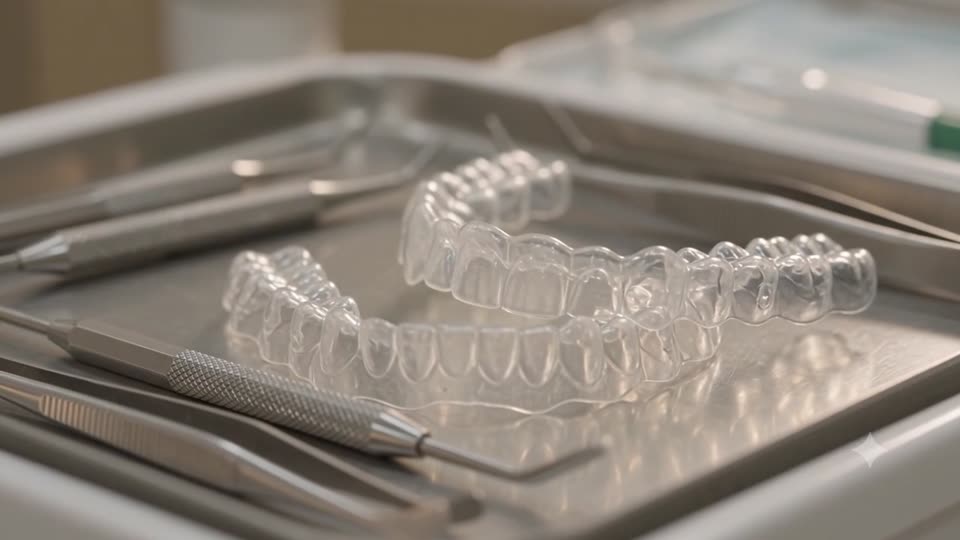
We take a scan or impression of your teeth and use it to map out a step-by-step plan — roughly how many aligner stages you'll need, and how long the full course is likely to take.
You'll see that plan before committing to treatment, in plain terms: what moves, in what order, and what the realistic outcome looks like — not just a sales pitch for the technology.
03 · Subtle by nature
Worn most
of the day, barely seen.
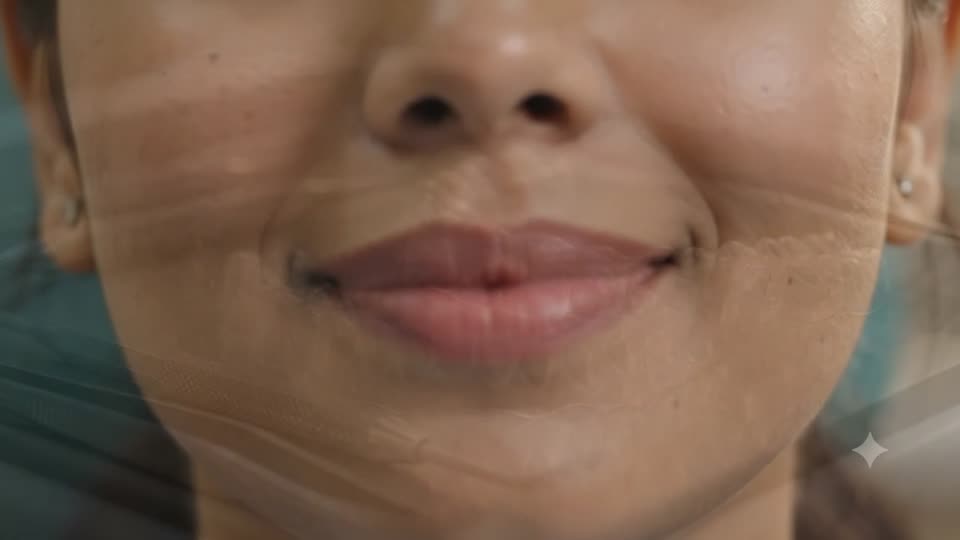
Each set of aligners is worn for most of the day and removed to eat, brush and floss — no brackets or wires to work around, and cleaning your teeth stays exactly as easy as before.
Because they're clear and close-fitting, aligners are far less noticeable day-to-day than traditional braces — useful if you'd rather not announce that you're straightening your teeth.
04 · Could clear aligners work for you
Honestly — it depends on the case.
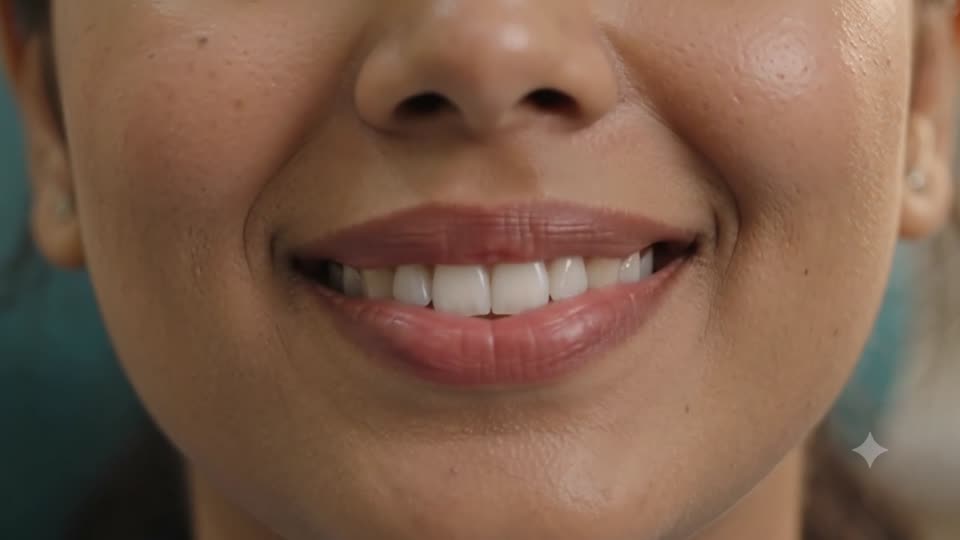
Mild to moderate crowding, spacing or bite shift
This covers most people who ask — aligners handle these cases well and predictably.
Relapse after old orthodontic treatment
A common reason to return — often a shorter course than the original treatment.
More complex bite or jaw concerns
Some cases are better served by traditional braces or a referral — that's said plainly at the consultation, not glossed over.
Illustrative example
What this can look like.
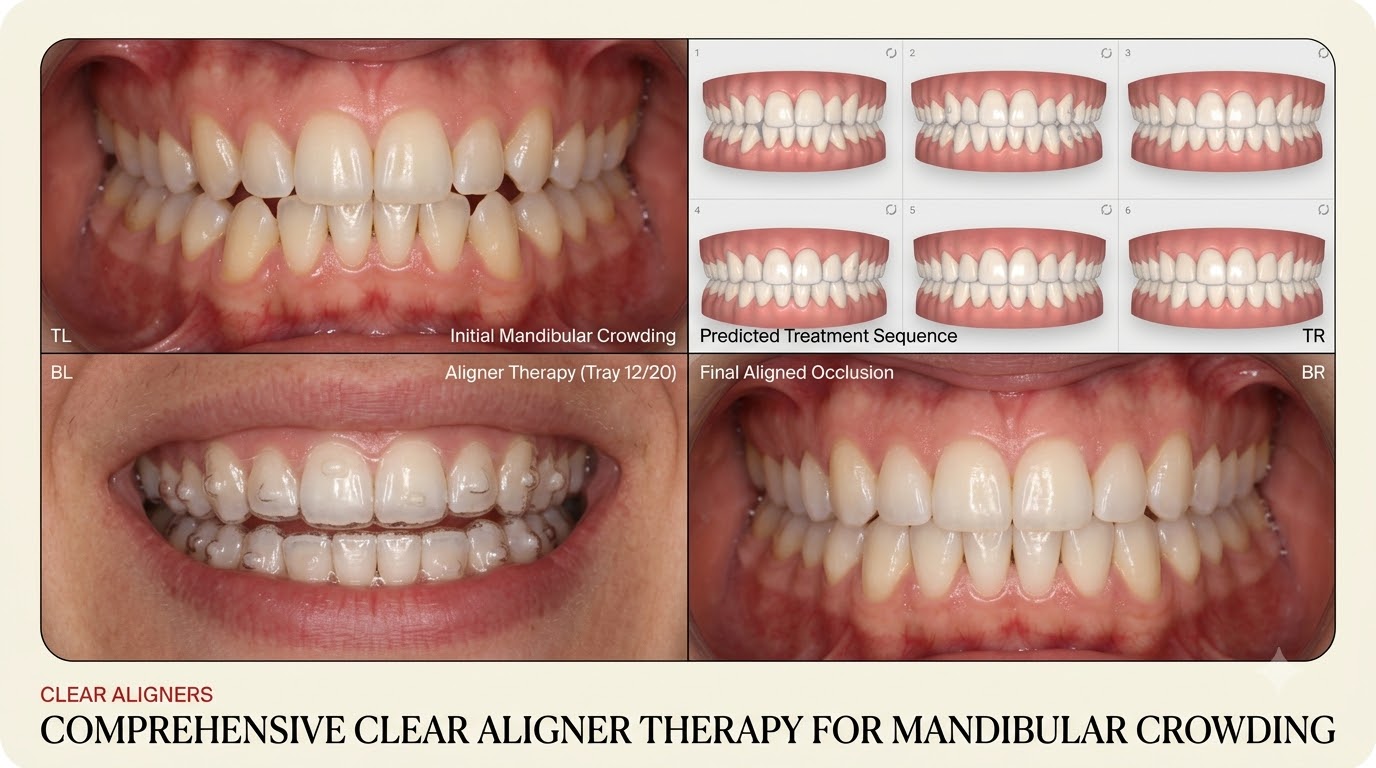
Illustrative example only — not a specific patient case from this clinic. Real before/after cases, shown with consent, are on the results page →.
Questions
Before you book.
It depends entirely on the case — anywhere from a few months for minor relapse to well over a year for more involved crowding. You'll get a realistic estimate at your consultation, not before.
You may feel pressure for a day or two after switching to a new set in the sequence — that's the aligner working. It's rarely described as painful, more a tightness that settles quickly.
Most plans ask for close to all-day wear, removing them only to eat and to brush and floss. Wearing them less than planned is the most common reason treatment runs longer than expected.
Cost depends on how many aligner stages your case needs, which is only clear after the initial scan and plan. Call or WhatsApp the clinic to talk through it, or start at your consultation.
Ready when you are
Book an aligner consultation.
Not sure yet? Take the 60-second quiz first — it's a conversation starter, not a diagnosis.